Miami led the nation, while Port St. Lucie recorded the largest increase in competition among smaller rental markets in a 2025 study.
Apartment hunters faced tougher competition in approximately 82% of U.S. rental markets in 2025, according to RentCafe research reported by Multi-Housing News. Florida ranked third among the study's regions for rental competitiveness, behind the Northeast and Midwest.
The findings illustrate how strong rental demand can persist even as new apartments enter the market. RentCafe's national Rental Competitiveness Index reached 75.2, compared with 74.4 in 2024. The index considers occupancy, vacancy duration, prospective renters per available apartment, lease renewals and new supply.
Miami and Port St. Lucie drew attention
Miami ranked as the nation's most competitive rental market, posting an index score of 92.9. Its apartment occupancy rate reached 96.4%, and 72.5% of renters renewed their leases. Each available apartment attracted an average of 19 prospective renters, according to the research.
Port St. Lucie recorded the largest increase in competitiveness among smaller markets. Its score climbed 12.5 points to 86.9, while renewals increased from 69.8% to 75.1%. New apartment deliveries represented a much smaller share of inventory than in the previous year.
What independent landlords can learn
FLN's reading of these findings is that tenant retention deserves as much attention as attracting new applicants. A reliable tenant who renews can spare an owner the expense of preparing, advertising and carrying a vacant property.
Consider a rental priced at $2,000 per month. One vacant month costs $2,000 in lost rent before cleaning, repairs or other turnover expenses. A $100 monthly increase produces only $1,200 over a full year. When negotiating a renewal, owners should weigh the proposed increase against the potential cost of losing a dependable tenant.
Strong renter competition also warrants careful interpretation. The index measures how difficult it is to secure an apartment; it does not directly measure rent growth or establish what an individual landlord should charge.
The study used January–September 2025 data from market-rate apartment properties with at least 50 units and excluded fully affordable communities. Its findings provide context for independent landlords, but individual houses, duplexes and smaller buildings may perform differently.
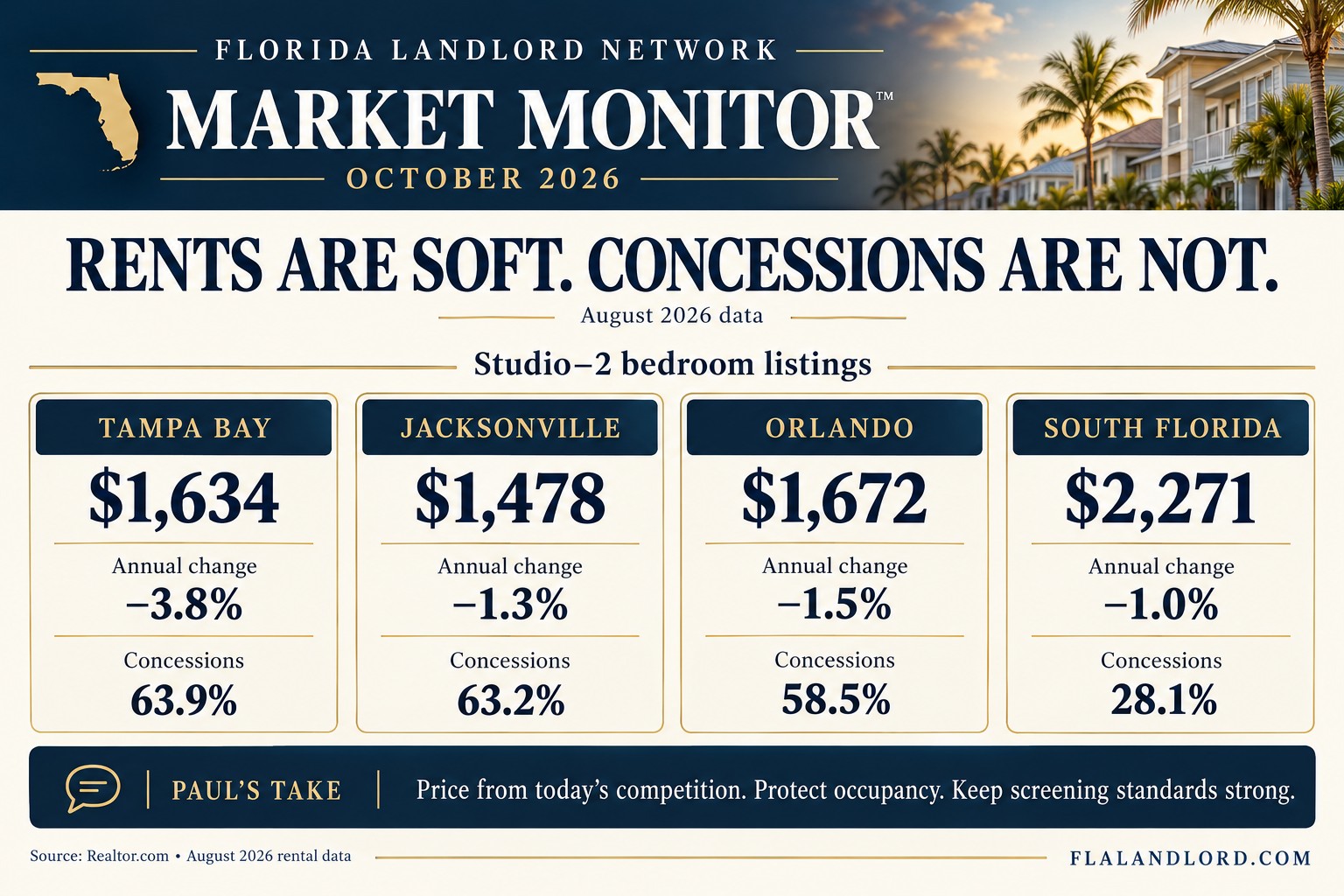
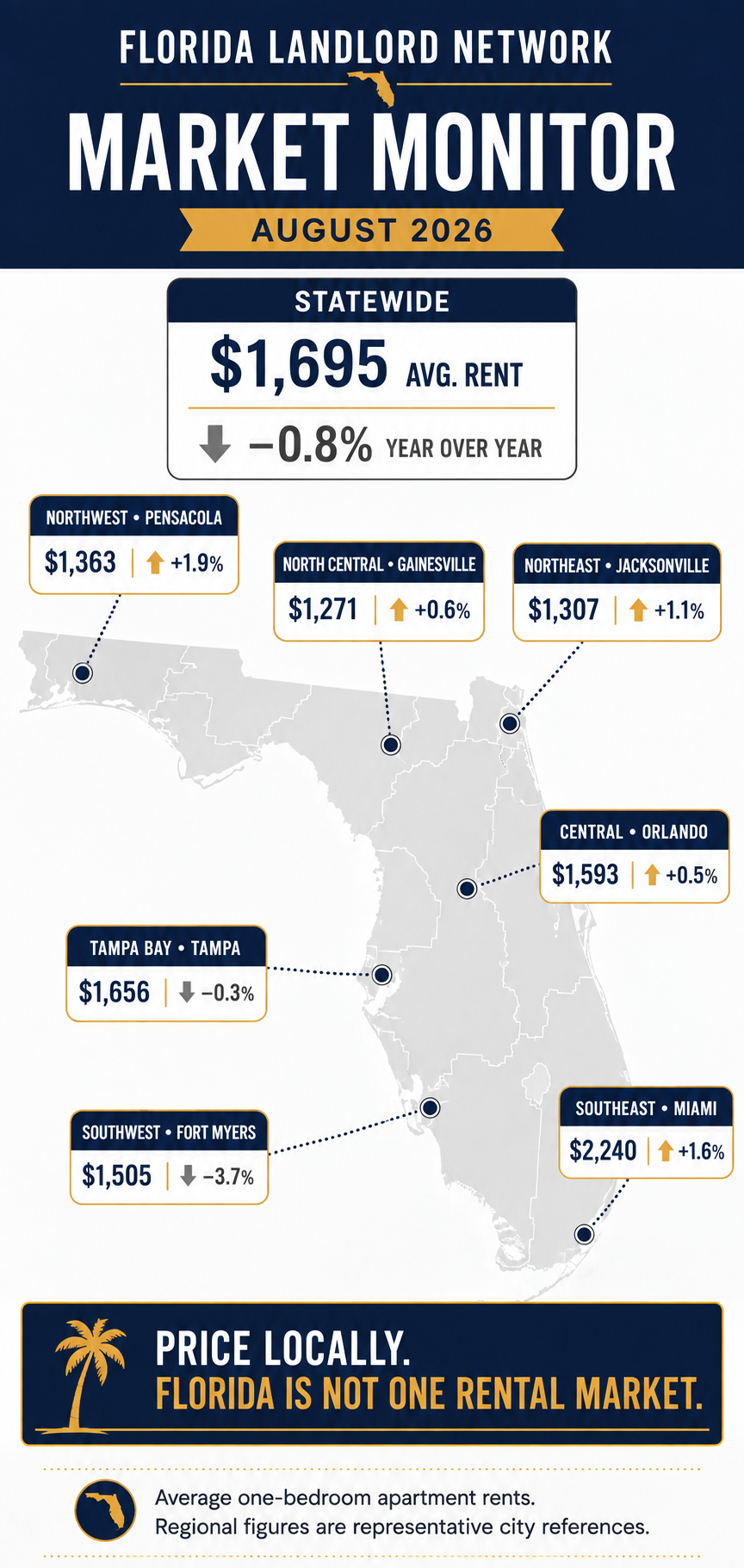
For pricing decisions today, compare nearby properties with similar features, watch inquiry levels and track how quickly competing rentals lease. Use broader research to understand the market, then let current neighborhood conditions guide your asking rent.
Sources: Multi-Housing News and RentCafe's 2025 Rental Competitiveness Report.