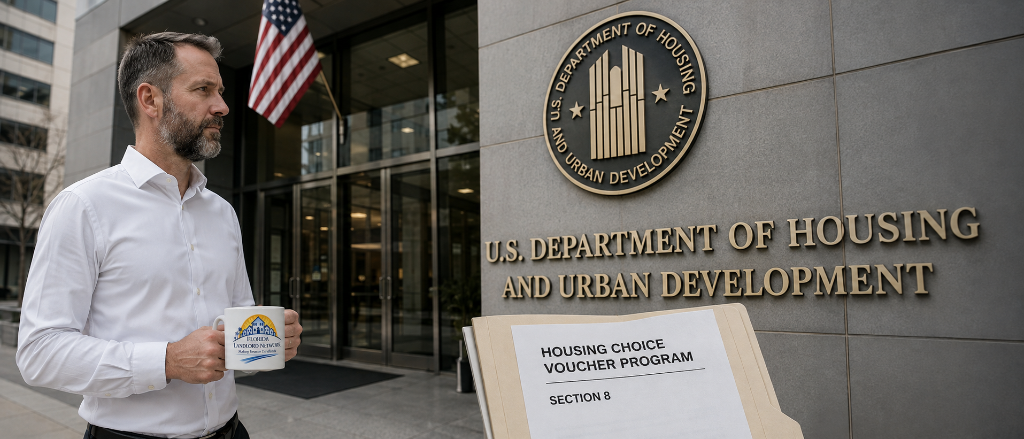
Florida's rental housing sector is adjusting to the implementation of House Bill 811, which took effect on July 1, 2026. The legislation introduces significant changes to how rental agreements are structured, specifically targeting the imposition of certain fees and surcharges. By prohibiting specific predatory practices, the state aims to provide greater financial stability for tenants.
Legislation·Statewide
New Florida Legislation: HB 811 Impacts Rental Agreements and Eviction Timelines
House Bill 811, effective July 2026, introduces stricter regulations on rental fees and extends the grace period for nonpayment of rent. Landlords must update their lease agreements to comply with these new consumer-focused protections.
By FLN News Desk
October 1, 2026Updated Oct 1, 20261 min read


A critical component of the new law is the revision of the timeline for nonpayment of rent. The mandatory notice period has been extended from three days to five days. During this five-day window, landlords are strictly prohibited from imposing any additional fees or surcharges. This change is designed to give tenants a more realistic timeframe to resolve payment issues before facing the threat of eviction.
Property managers and landlords are encouraged to review their current lease templates and internal collection policies to ensure full compliance with these updated statutes. Failure to align with these new requirements could lead to legal complications during the eviction process. The bill reflects a broader legislative effort to balance landlord rights with tenant protections in an increasingly expensive housing market.
Disclaimer: Florida Landlord Network is a non-attorney service. This article is for informational purposes only and does not constitute legal advice. Consult a licensed Florida attorney for guidance specific to your situation.