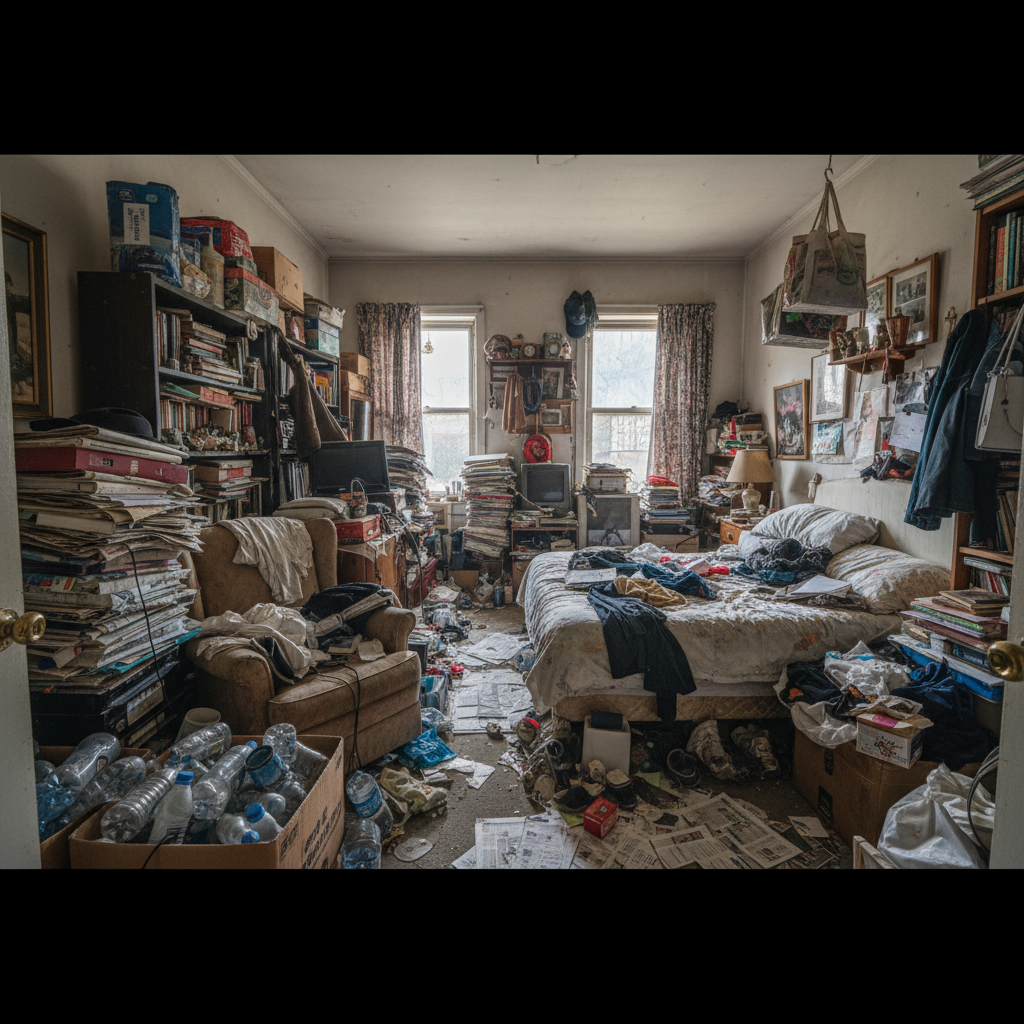
Most landlords recognize that Fair Housing laws protect individuals with physical disabilities. What many do not realize is that certain mental health conditions can also qualify as disabilities under the Fair Housing Act.
One of those conditions is hoarding disorder.
When a tenant's hoarding behavior is linked to a documented disability, Fair Housing laws may require landlords to consider reasonable accommodations before pursuing lease enforcement or eviction.
That doesn't mean landlords must tolerate dangerous conditions indefinitely. It does mean the situation should be approached carefully and with a clear understanding of both Fair Housing obligations and health and safety concerns.
Hoarding and Fair Housing
Hoarding disorder is recognized by mental health professionals as a serious condition characterized by persistent difficulty discarding possessions, resulting in excessive accumulation that interferes with normal use of living space.
Because hoarding can be associated with a disability, landlords should avoid treating these situations as simple housekeeping issues.
A cluttered unit may be frustrating, but when a disability is involved, the legal analysis changes.
Balancing Accommodation and Safety
Generally speaking, landlords should not assume a tenant has a disability or initiate conversations about accommodations. In most Fair Housing situations, the resident must request the accommodation.
Hoarding cases can be different.
When excessive clutter creates health hazards, fire risks, blocked exits, pest infestations, structural damage, or other dangerous conditions, landlords may need to address the issue directly while still remaining mindful of Fair Housing requirements.
The goal is to resolve the problem while providing the resident a reasonable opportunity to comply.
Recommended Steps for Landlords
1. Recognize That Hoarding May Be a Disability
Do not assume the situation is simply laziness, neglect, or defiance.
A tenant suffering from hoarding disorder may be entitled to protections under Fair Housing laws and may qualify for reasonable accommodations.
2. Carefully Document Conditions
Conduct a thorough inspection and document the condition of the property.
Photograph problem areas and identify specific lease violations, safety hazards, code violations, or maintenance concerns.
Objective documentation is critical.
Focus on observable facts rather than personal opinions about the tenant's lifestyle.
3. Consult Legal Counsel
Hoarding cases often involve overlapping Fair Housing, landlord-tenant, health, and local code enforcement issues.
Before initiating lease termination or eviction proceedings, consult qualified legal counsel familiar with Fair Housing law in your jurisdiction.
4. Consider a Written Plan of Action
One of the most common accommodations for tenants with hoarding disorders is a written remediation plan.
The plan should:
- Identify specific issues that must be corrected
- Establish realistic deadlines
- Allow for periodic inspections
- Address health and safety concerns
- Document the tenant's agreement to cooperate
The objective is to achieve compliance while giving the resident a meaningful opportunity to succeed.
Fair Housing laws do not require landlords to ignore dangerous conditions.
Depending on state and local law, landlords may still be able to proceed with enforcement actions when hoarding involves:
- Blocked emergency exits
- Fire hazards
- Structural damage
- Animal hoarding
- Hazardous materials
- Explosives or weapons
- Serious health and sanitation issues
Again, legal guidance is strongly recommended before proceeding.
Understanding Hoarding Disorder
Mental health experts estimate that millions of Americans struggle with hoarding disorder.
Some commonly reported characteristics include:
- Hoarding affects approximately 2% to 5% of the population.
- It can affect men, women, and even adolescents.
- Older adults are more commonly affected.
- Hoarding is not simply a matter of laziness or poor housekeeping.
- The condition often develops over many years.
- Many individuals with hoarding disorder are highly intelligent and otherwise functional.
- Lasting improvement generally requires cooperation from the individual involved.
- Forced cleanouts without the resident's participation often fail and may make the situation worse.
The Bottom Line
Hoarding situations can be some of the most challenging problems landlords face.
The key is to balance two important responsibilities: protecting the safety of the property and its occupants while complying with Fair Housing laws that may require reasonable accommodations for a disability.
Early intervention, careful documentation, professional legal guidance, and a written corrective action plan often provide the best opportunity for a successful outcome.

Landlords should never assume that a hoarding situation automatically qualifies as a protected disability, nor should they assume it does not. Each situation must be evaluated on its own facts. These days, there are lots of housing advocates and others on the look out for a landlord who makes a Fair Housing mistake. Don't make it easy for them. When in doubt, consult qualified legal counsel before taking adverse action against a tenant.