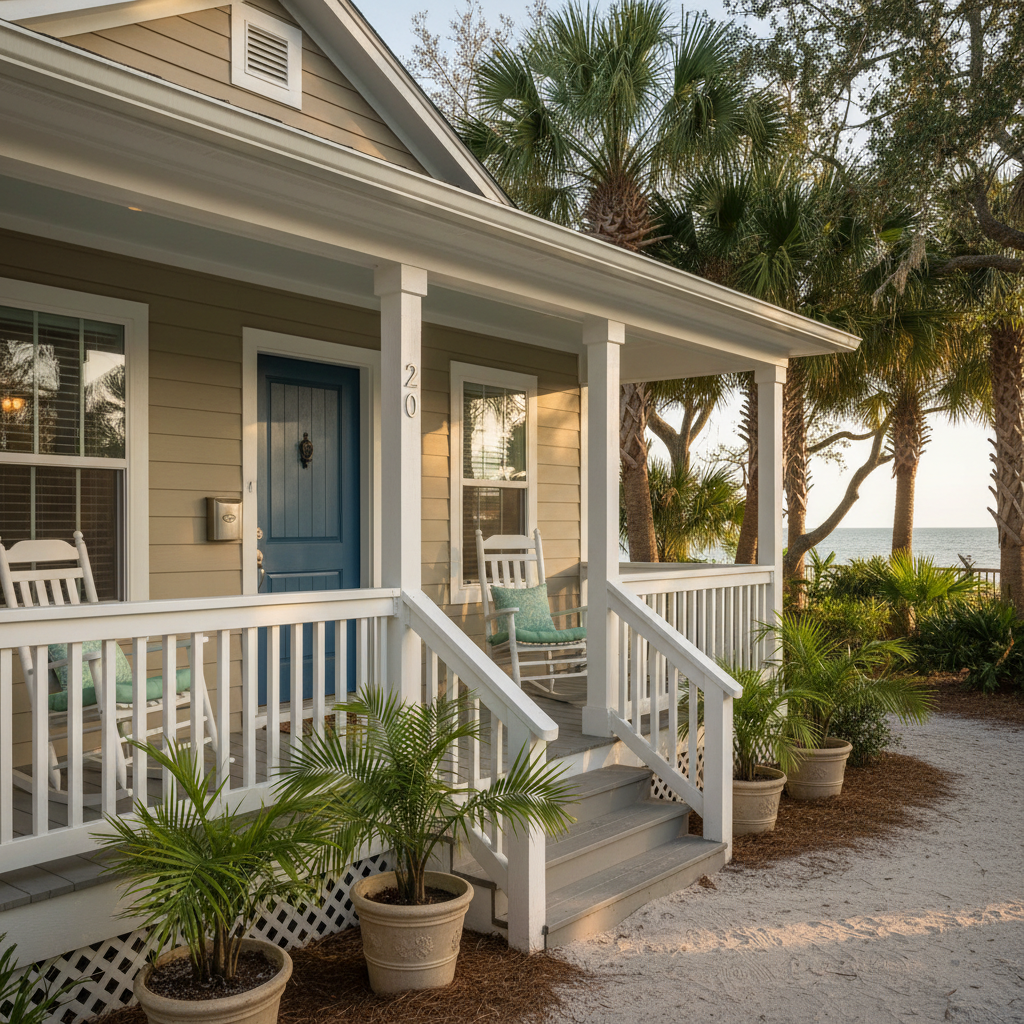
Short-term rentals remain legal in Jacksonville, but many property owners are surprised to learn how heavily regulated and taxed these properties have become. While Florida law limits how aggressively local governments can regulate vacation rentals, Jacksonville and Duval County still impose a number of licensing, registration, inspection, and tax requirements that operators must understand before listing a property on Airbnb, VRBO, or similar platforms.
Florida's State Preemption Law
One of the most important concepts for property owners is state preemption. Florida lawmakers have largely prevented cities and counties from banning vacation rentals outright or creating overly restrictive local regulations. This means Jacksonville cannot simply decide to prohibit short-term rentals in the same manner seen in some states and cities around the country. However, local governments still retain authority over issues such as business licensing, safety requirements, noise enforcement, parking, occupancy standards, and tax collection. As a result, while Jacksonville cannot eliminate short-term rentals, it can still regulate them in meaningful ways. For investors considering a short-term rental strategy, Florida's preemption laws provide a degree of stability that does not exist in many other states.
The $150 Vacation Rental Certificate
Property owners operating short-term rentals in Jacksonville generally must obtain a Short-Term Vacation Rental Certificate for each qualifying property. The application process typically requires documentation such as: - Florida DBPR vacation rental licensing - Local business tax registration - Tourist tax registration - Property inspections - Safety compliance documentation - Property ownership verification The annual certificate fee is generally $150 per property, in addition to other required registrations and business taxes. For Jacksonville Beach properties, additional local requirements and inspections may also apply. While $150 may not seem significant, it represents just one piece of a broader regulatory framework that landlords must navigate before accepting their first reservation.
The Hidden Cost: Taxes
The biggest surprise for many new operators is not the licensing process—it's the tax burden. A short-term rental stay in Jacksonville can be subject to several separate taxes: - Florida State Sales Tax: 6% - Duval County Tourist Development Tax: 6% - Duval County Discretionary Sales Surtax: up to 1.5% Combined, guests may pay approximately 13.5% in taxes on short-term rental stays. That means a guest paying $2,000 for a vacation rental could generate roughly $270 in taxes before the owner sees a dollar of profit. While platforms such as Airbnb and VRBO often collect and remit certain taxes on behalf of hosts, property owners remain responsible for understanding their compliance obligations and ensuring taxes are properly handled.