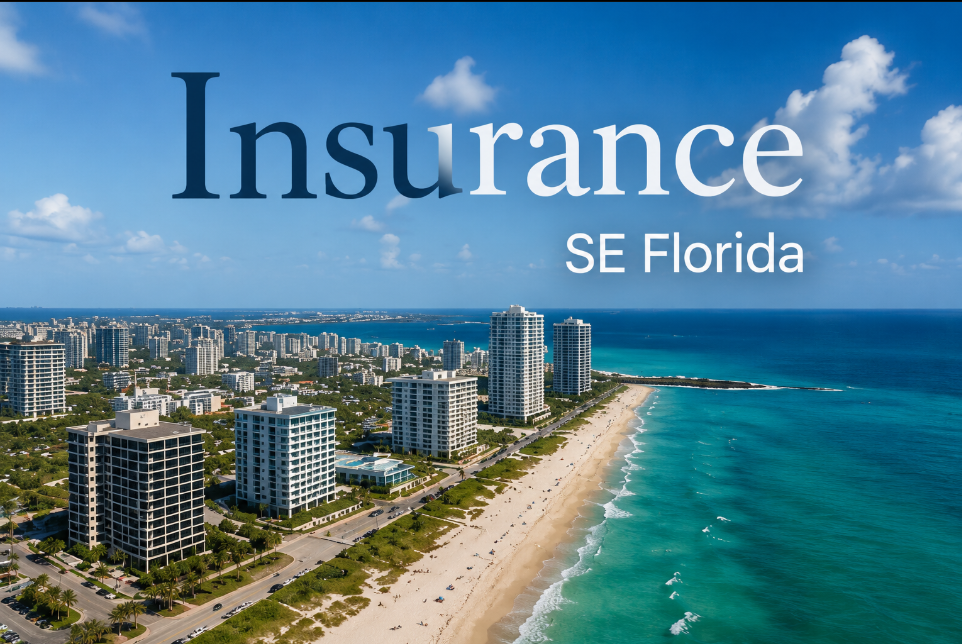
Southeast Florida landlords face one of the highest insurance and flood risk environments in the nation. In 2026, ongoing market stabilization and the mandatory flood disclosure law under Florida Statute §83.512 (fully in effect) require proactive compliance. This law applies to all residential leases of one year or longer in Miami-Dade, Broward, Palm Beach, and surrounding counties. Clear communication about flood risks is now essential for legal protection, tenant relations, and safeguarding high-value rental investments along the coast and Intracoastal Waterway.
The Mandatory Flood Disclosure (Florida Statute §83.512)
Landlords must provide a standalone written document (not buried in the lease) at or before lease signing. The disclosure must include:
- Any actual knowledge of flooding that damaged the dwelling during your ownership.
- Whether you have filed any flood-related insurance claims (including NFIP).
- Whether you have received any federal or other assistance for flood damage (e.g., FEMA).
- A clear warning that standard renters' insurance does not cover flood damage and that tenants should consult their agent about separate flood coverage.
Failure to comply can allow a tenant who suffers substantial personal property loss (generally 50%+ of market value) from flooding to terminate the lease with a prorated refund of advance rent. This applies to new leases and most renewals of one year or longer.
Check Flood Zones in Southeast Florida – Essential Tools
Verify current flood risk for every rental property:
- FEMA Flood Map Service Center (National Search by Address) – Official source for Flood Insurance Rate Maps.
- Miami-Dade County: Flood Zone Maps Interactive Tool | Miami-Dade Flood Zone Viewer | Preliminary Flood Zones Viewer.
- Broward County: Current Flood Zones Map (Effective 2024) | Broward Flood Zone Maps.
- Palm Beach County: Flood Zone Lookup Tool | Palm Beach County Flood Zones GIS.
- Florida Disaster Know Your Zone Map – Excellent for storm surge and evacuation alignment.
High-risk AE and VE zones dominate coastal and Intracoastal areas. Even moderate-risk Zone X properties can experience flooding, making voluntary flood insurance strongly recommended.